

Bib clips for running promise an easy upgrade from safety pins, snap a bib on, skip the holes, get moving. Some do exactly that. Others let a bib fold, flap, or pop loose halfway through a race. The difference usually comes down to a few details most runners never think to check before packet pickup. Here is what separates a bib clip worth keeping in your race day bag from one that ends up back in the bin, and where running bib clips stop being enough on their own.
What Are Running Bib Clips?
Running bib clips are small plastic or metal fasteners that grip a race bib against a shirt without punching a new hole through the fabric. Most work by pinching a corner of the bib and the shirt together between two hinged pieces, similar to a binder clip. They are marketed as a quick, hole free alternative to safety pins, and the best ones deliver on that promise. The weaker ones only solve half the problem.
What to Look For in a Good Bib Clip
A bib clip worth using should check every one of these boxes.
- Grip on all four corners, not just one or two. A bib clipped only at the top still billows and folds in the wind.
- A firm, spring loaded hinge that will not loosen after repeated use across a full season of races.
- Smooth edges that will not tear or fray thin technical fabric over time.
- A low profile that lies flat against the body instead of sticking out and catching on gear, straps, or hydration vests.
What to Avoid With Bib Clips
A few warning signs show up again and again with low quality bib clips.
- Sharp plastic teeth. Cheap clips often use small teeth to grip fabric, and those same teeth can tear a hole in a shirt almost as easily as a pin.
- Single corner designs. A clip that only grabs one corner leaves the rest of the bib free to fold over exactly when a timing camera or race photographer needs a clean shot of your number.
- Loose hinges. Bargain clips tend to weaken after just a few uses, and a clip that pops open mid race defeats the entire purpose of switching away from pins.
- No pack of four. Some clips are sold as a single unit, which is rarely enough to secure a bib the way four matched fasteners can.
How to Test a Bib Clip Before Race Day
A few minutes at home can save a lot of frustration at the start line. Clip the bib to the exact shirt or jacket you plan to race in, not a random test shirt, since fabric weight changes how well a clip grips. Give the bib a firm tug at each corner to check for slipping. Fold your arms and twist at the waist a few times to mimic running motion, and watch for any corner that starts to lift. If a clip passes all three checks on your actual race day gear, it is far less likely to fail once you are a few miles into the course.
When a Bib Clip Is Not Enough
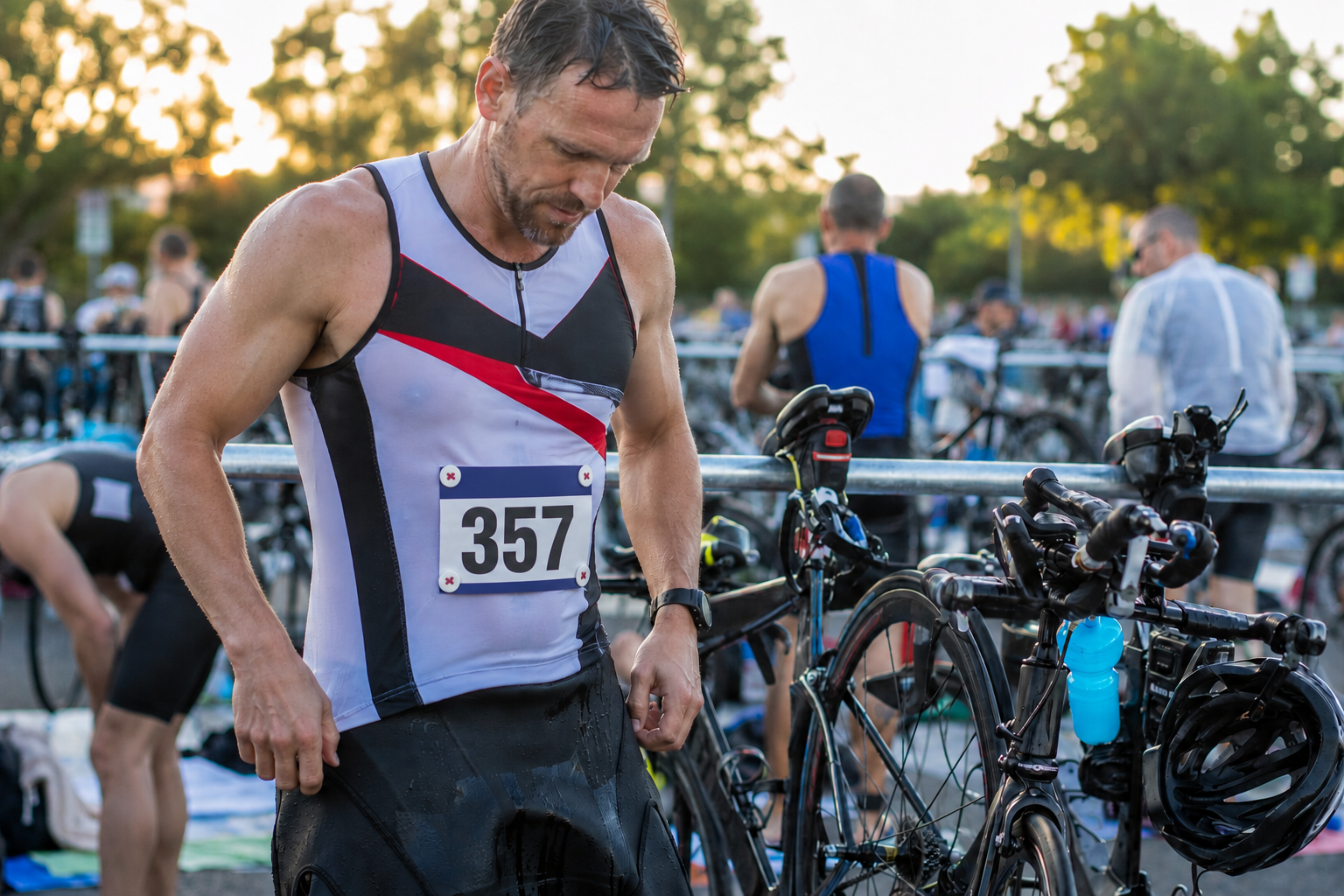
Bib clips work fine for a short, casual local race where nobody is checking your finish photo closely. They start to fall short on longer runs, windy courses, or any event where a readable number actually matters, marathons, timed series, and races with professional photography among them. That is the gap that snap and lock race bib fasteners like bibSNAPS are built to close. Instead of pinching fabric between two plastic teeth, they thread through the same four holes already punched in the bib and lock flat against the shirt, holding every corner in place through a full 26.2 miles without adding a new hole or risking a torn shirt.
Are Bib Clips Better Than Safety Pins?
A well made bib clip is generally better than safety pins, since it skips the holes and the fumbling with cold fingers at the start line. A poorly made clip is not necessarily an upgrade, since sharp teeth can still damage fabric and a single corner grip still lets a bib flap in the wind the same way a two pin job does.
Do Bib Clips Damage Race Shirts?
Some do. Clips with sharp plastic teeth can snag or tear thin technical fabric, especially with repeated use across a season. Bib fasteners that lock through the bib's existing holes rather than gripping the shirt fabric directly, such as snap and lock designs, avoid this problem entirely.
What Should I Use Instead of Bib Clips for a Marathon?
For a marathon or any long race where a readable number matters for the full distance, snap and lock bib fasteners are the stronger choice. They secure all four corners instead of one or two, so the bib stays flat from the start line to the finish, without the tearing risk that comes with clips that grip fabric directly.
Quick Takeaway
- Good running bib clips grip all four corners, use a firm spring loaded hinge, and lie flat without sharp teeth that can tear fabric.
- Weak bib clips usually fail in one of two ways, a single corner grip that lets the bib flap, or sharp teeth that damage the shirt underneath.
- For marathons, windy courses, or any race where your number needs to stay readable, snap and lock fasteners like bibSNAPS outperform standard bib clips.
The Bottom Line
Not every bib clip on the market does what it claims. The good ones solve the safety pin problem cleanly, and the bad ones just trade one annoyance for another. If you want a bib fastener built to hold every corner flat for the full distance without tearing fabric or working loose, bibSNAPS are worth a look at bibboards.com before your next race.


Leave a comment
This site is protected by hCaptcha and the hCaptcha Privacy Policy and Terms of Service apply.