

Nearly every runner has felt it — that dull ache around the knee that shows up after a long run or when climbing stairs. It’s called runner’s knee, and it’s one of the most common issues that sidelines athletes of all levels.
The good news is that you can prevent it before it starts. Understanding the cause and building smart habits can keep your knees strong, stable, and ready for every mile ahead.
What Is Runner’s Knee?
Runner’s knee isn’t just one specific injury. It’s a general term for pain around the kneecap, often caused by irritation of the tissues or tendons underneath.
Think of it less as something you did wrong and more as your body signaling that something needs attention — usually weakness, tightness, or too much too soon.
Runner’s knee isn’t just about pain, it’s about imbalance, overtraining, and ignoring small warning signs.
Understand the Cause
Several factors can contribute to runner’s knee, but most of them come down to strength and form.
Weak hips and glutes: When your hips or glutes aren’t doing their job, your knees take the extra load with every step.
Tight quads or IT bands: These pull on the kneecap and can cause tracking problems.
Overuse or sudden mileage jumps: Your knees need time to adapt. Too much too fast is a classic trigger.
Poor running form: If your stride is off or your shoes don’t fit your gait, your knees end up compensating.
Once you know what causes it, you can take small daily steps to prevent it.
Strength and Mobility Tips
The best prevention is a few minutes of consistent strength and mobility work. You don’t need a gym — just bodyweight exercises and a foam roller.
Try adding these after easy runs or rest days:
-
Bodyweight squats: Strengthen your quads and glutes.
-
Glute bridges: Activate the muscles that support your hips.
-
Side leg raises: Build hip stability to keep knees aligned.
-
Foam rolling: Release tension in your quads, calves, and IT bands.
-
Dynamic stretches: High knees, leg swings, and lunges before you run.
Five minutes of strength work can save weeks of recovery.
Training Adjustments That Protect Your Knees
Running is a repetitive sport, and your knees love consistency, not surprises. Small training tweaks can make a big difference.
-
Increase mileage gradually: Follow the 10 percent rule or less.
-
Rotate your shoes: Replace them every 300 to 500 miles and make sure they fit your gait.
-
Mix in cross-training: Swimming, cycling, or yoga gives your knees a break from impact.
-
Prioritize rest days: Your muscles grow and repair when you recover, not when you run.
Your knees love consistency, not surprises.
Race-Day Preparation
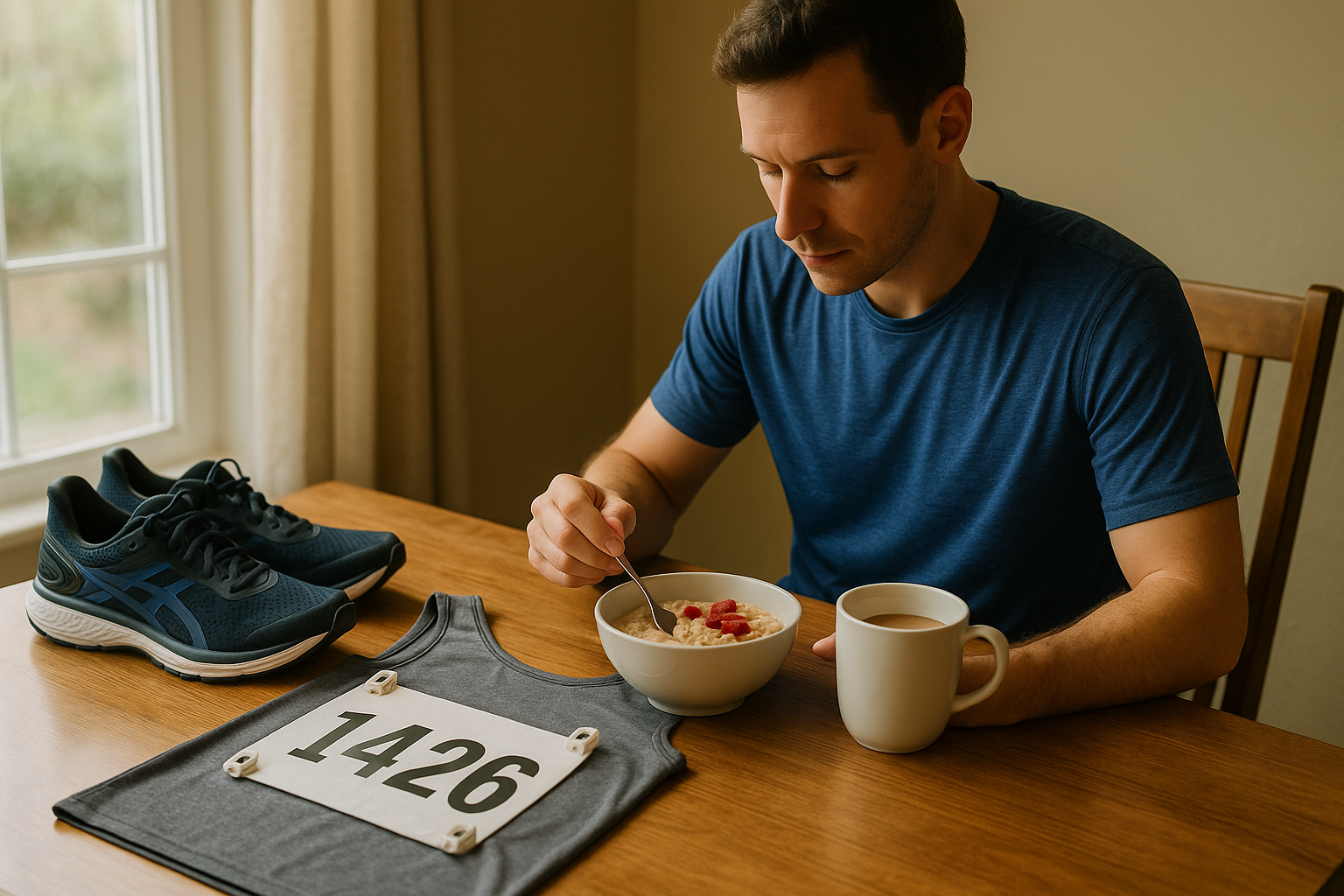
When race day comes, your preparation and comfort matter more than ever. Warm up properly with light jogging and mobility drills to get blood flowing through the joints. After the race, take a few minutes to stretch and rehydrate before you celebrate.
The gear you choose can also make a big difference. Nothing should distract you from your stride or restrict your movement.
On race day, small details matter, from the shoes you lace up to how you secure your bib. BibBoards keep your gear comfortable and distraction-free, so you can focus on your stride.
Quick Takeaway Box
Key Takeaway: Strong legs, smart training, and mindful recovery keep runner’s knee away. Listen to your body and prepare your gear for a smooth, pain-free race.
Conclusion: Train Smart, Race Strong
Your knees carry you to the finish line. Treat them well and they’ll reward you with miles of pain-free running.
Build in short strength sessions, move with good form, take recovery seriously, and show up on race day with the confidence that your body and gear are ready.
Train smart, listen to your body, and race comfortably with confidence.


Leave a comment
This site is protected by hCaptcha and the hCaptcha Privacy Policy and Terms of Service apply.