
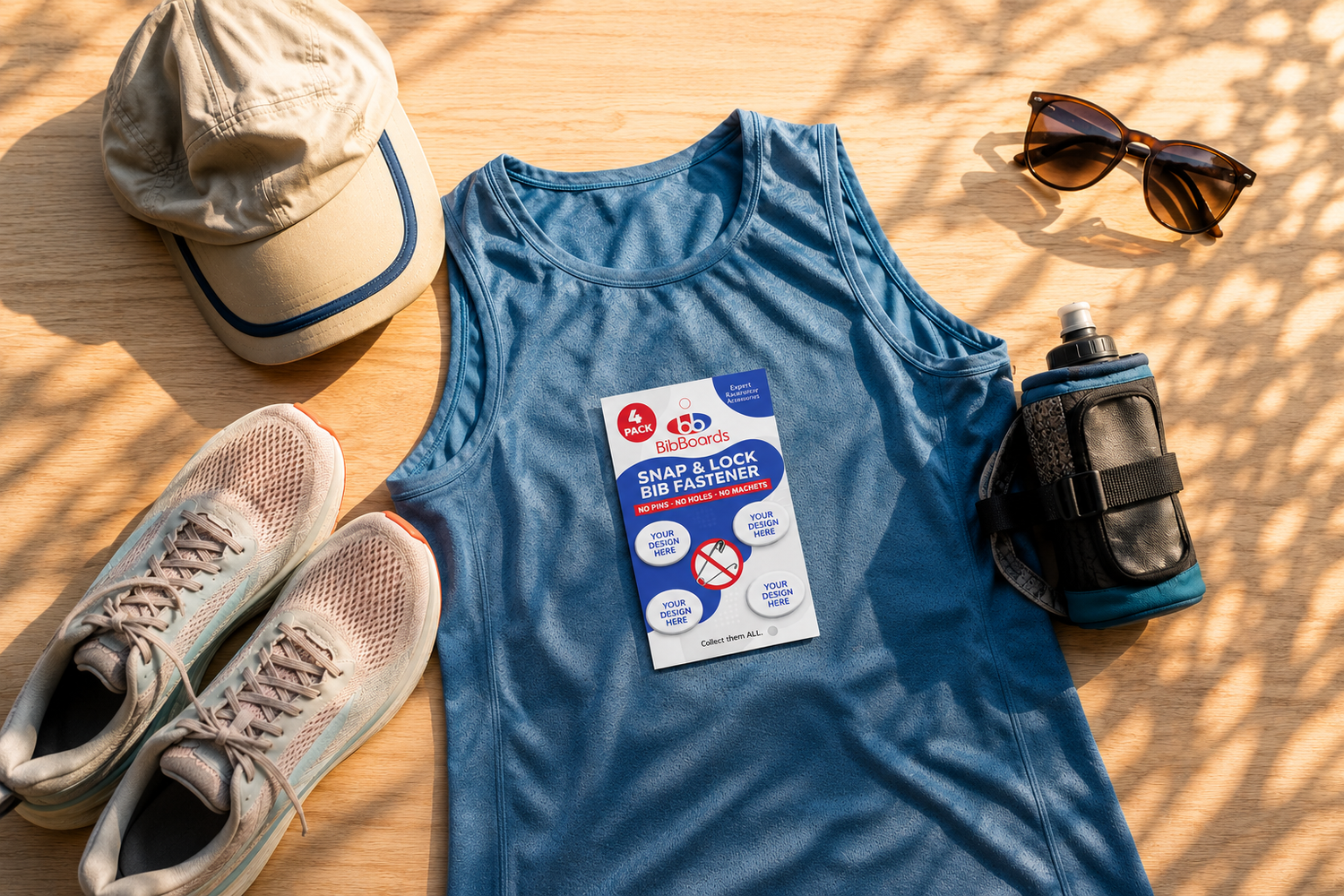
Training through the summer for a fall marathon means logging miles in heat your race day legs will thank you for later, but it also means rethinking the gear that got you through the cooler months. Hot weather changes how you hydrate, what you wear, and how your gear holds up over a long run. Here is how to train smart through the heat and build a race day gear checklist that holds up no matter the forecast.
Training through the heat withoutaburning out
Summer heat adds real stress to a training plan, and the runners who handle it best are the ones who adjust rather than push through. A few habits make the biggest difference over a long training block.
- Run early. The coolest miles of the day are almost always the first ones, so shifting long runs to early morning protects both your pace and your recovery.
- Hydrate before you are thirsty. Thirst means you are already behind, so build water and electrolytes into your routine before and during every run over thirty minutes.
- Expect slower paces. Heat raises your heart rate at any given effort, so judge summer runs by effort, not by the pace you held in cooler months.
- Give yourself extra recovery. Hot weather training taxes your body more than the mileage alone suggests, so do not skip easy days just because the miles feel short.
None of this is about doing less work. It is about doing the same work smarter so you arrive at race day strong instead of worn down.
How summer heat changes your gear needs
The shirt and shorts that worked fine in March are not always the right call in July. Lightweight, moisture wicking fabric matters more in summer training, and so does sun protection, since long runs in direct sun add up over a season. Your hydration setup matters too. A handheld bottle or a small running vest keeps water with you on routes without fountains, which matters more when every run leaves you sweating through your shirt. Gear that manages heat well in training is often the same gear that performs best on race morning.
Your race day essentials checklist
Whatever race is on your calendar this fall, race morning goes smoother when your gear is decided the night before. A solid race day essentials list covers more than just shoes.
- Race bib and a reliable way to attach it flat and centered on your shirt
- Moisture wicking shirt and shorts you have already tested on a long run
- Shoes broken in well before race day, never new out of the box
- Hydration, whether that is a handheld, a vest, or a plan to use course aid stations
- Sunscreen, a hat or visor, and sunglasses if your race starts after sunrise
- Energy gels or chews if your race distance calls for mid run fueling
- A throwaway layer for a cool start that warms up fast
Why your race bib setup matters more when it is hot
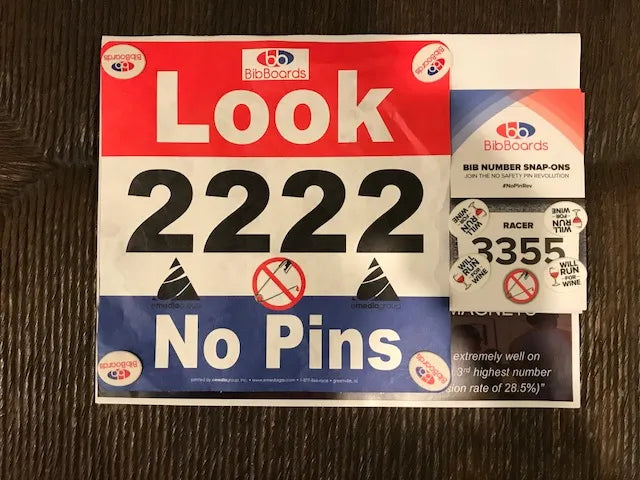
Heat and sweat are hard on a race bib. Paper bibs held only by safety pins tend to curl, sag, or peel away from the pin holes once they are soaked through, which can leave your number folded or unreadable right when a timing camera or photographer needs it most. A bib held flat at all four corners stands up to sweat far better than one pinned only at the top. bibSNAPS snap through the holes already punched in your bib and lock it against your shirt without adding new holes, so the bib stays flat and readable from the start line to the finish, no matter how hot the course gets. They are trusted across more than 3,000 race events and back more than 35,000 five star reviews from runners who wanted one less thing to think about on race morning.
Packing your bag the night before
The single best habit for any race, summer or not, is packing the night before. Lay out your full outfit, attach your bib, and set your shoes by the door. This does double duty. It removes any last minute scramble, and it gives you one more chance to notice if anything, from a worn shoelace to a fraying race belt, needs fixing before you are standing at the start line.
Quick Takeaway
- Adjust training for summer heat by running early, hydrating proactively, and judging effort over pace.
- Build a race day essentials checklist that covers your bib, gear, hydration, and sun protection.
- A bib held flat at all four corners, like with bibSNAPS, holds up to sweat and heat far better than safety pins.
The bottom line
Summer training is the foundation for a strong fall race, and the gear you choose now is the same gear you will lean on come race morning. Dial in your hydration, protect yourself from the heat, and settle on a bib setup that will not fail you when the miles get hard. If you want a bib fastener built to hold flat through sweat and heat, bibSNAPS attach in seconds and stay put all the way to the finish. Learn more at bibboards.com and head into race day with one less thing to worry about.


Leave a comment
This site is protected by hCaptcha and the hCaptcha Privacy Policy and Terms of Service apply.