
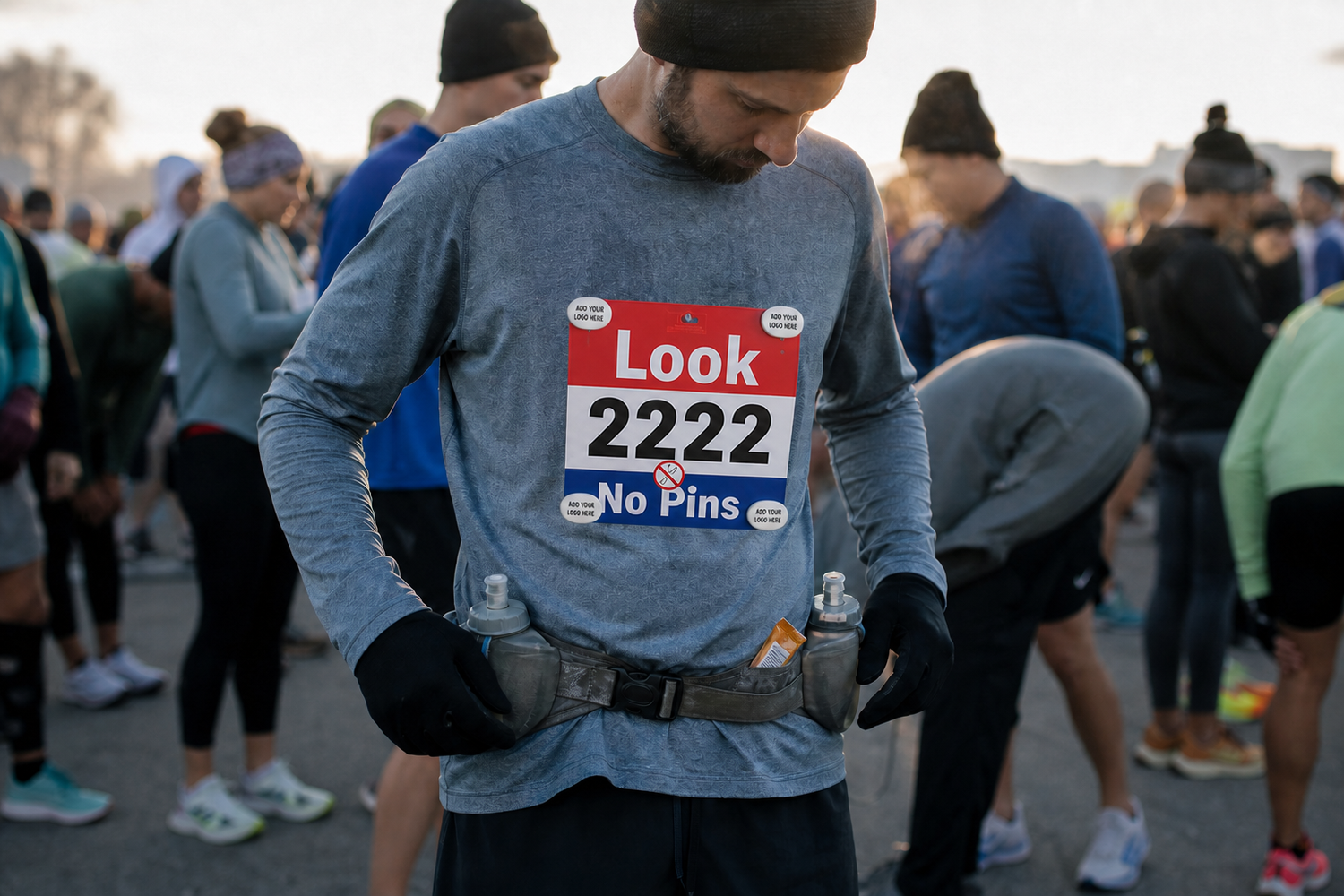
September marks the start of marathon month for a huge share of the running calendar, with Berlin, Chicago, and a wave of major fall races all lining up over the next several weeks. It is also the point where runners stop experimenting. Anyone who has trained all summer for a fall marathon already knows this rule, race morning is not the time to try something new. Here is a look at the gear runners actually trust on race day, and why that trust usually gets earned the hard way, one long run at a time.
Why Marathon Month Is Different From Any Other Race Day
A 5K forgives a bad gear choice. A marathon does not. Eighteen or twenty weeks of training gives a runner plenty of chances to find out what chafes, what slips, and what fails right around the point where it matters most. By the time marathon month arrives, most runners have already stopped shopping and started sticking with whatever survived the long runs. That shift, from trying things to trusting things, is what separates race day gear from everyday gear.
What Trusted Gear Actually Means by Mile 20
Ask any marathoner what they trust and the answer rarely comes from a spec sheet. It comes from a bad experience they never want to repeat. A shoe that held up through a rainy 18 miler. A fuel that did not upset their stomach at mile 16. A bib that stayed flat and readable for every finish line camera instead of folding into an unreadable scrap of paper by mile 10. Trust, in marathon terms, means something was tested under real fatigue and real weather and it did not let a runner down.
The Bib Attachment Runners Trust Most
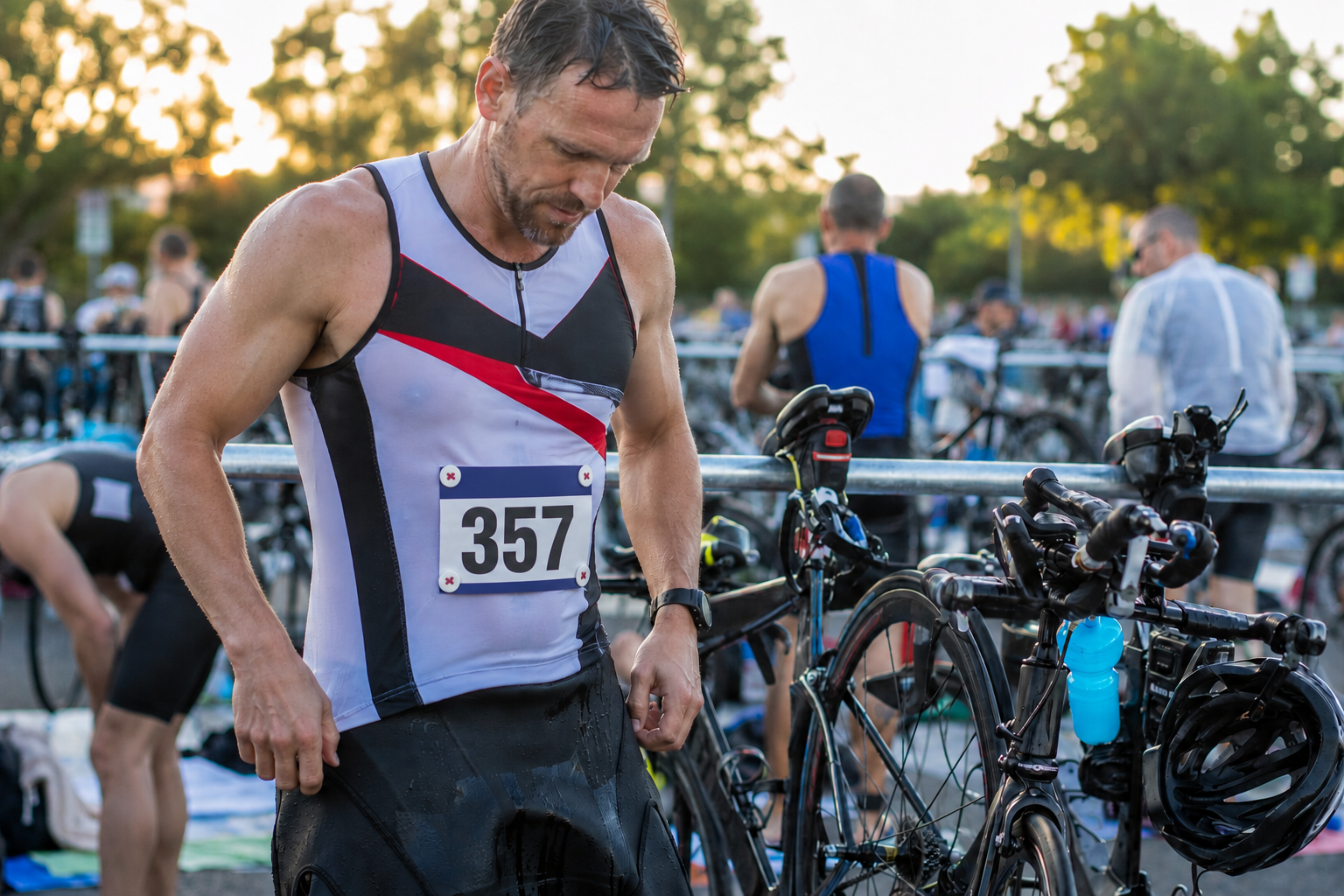
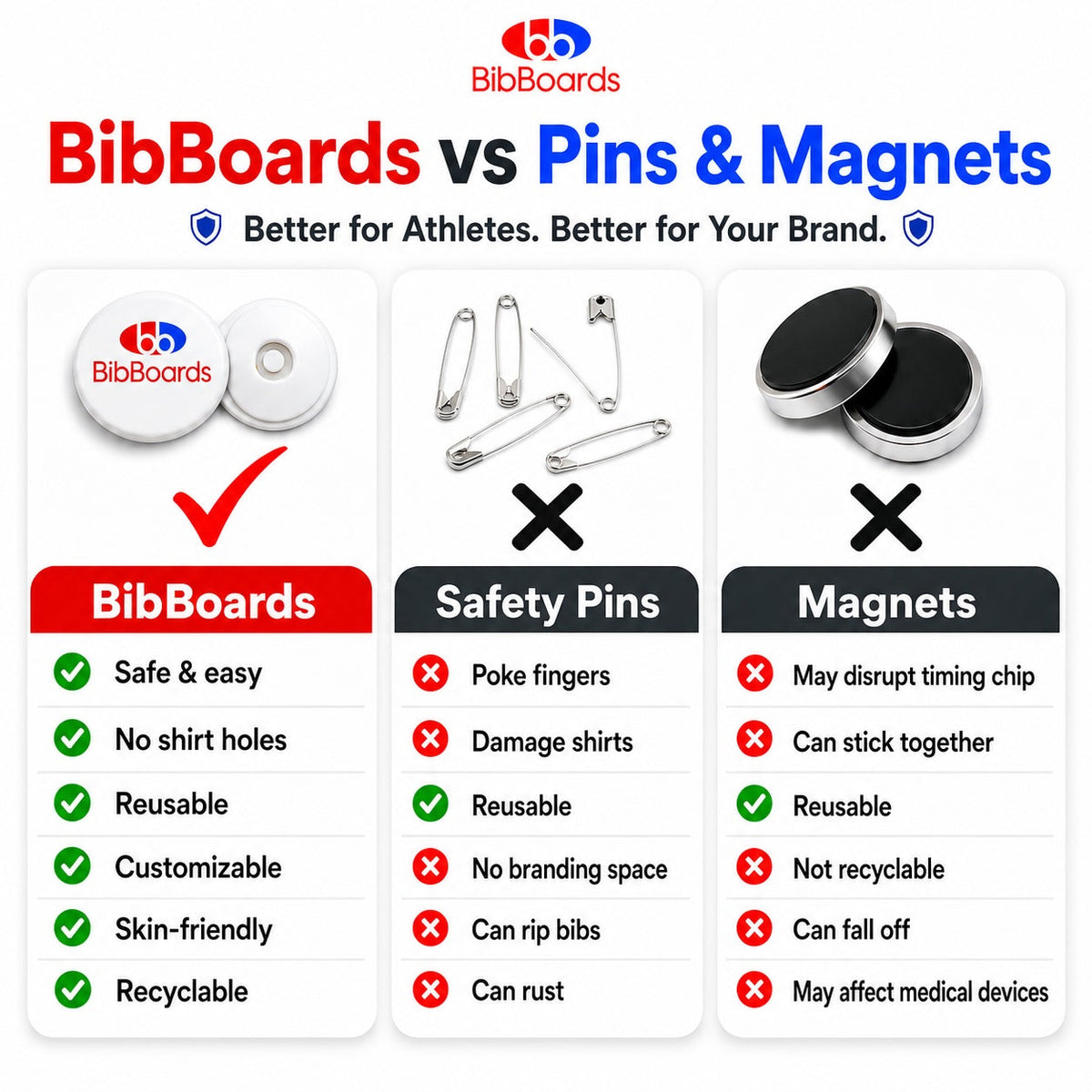
Few pieces of race day gear get less thought and more real world testing than how a runner attaches their bib. Safety pins have been the default for decades, but they are also one of the most common small failures on a marathon course, a bib that curls in the wind, a fresh hole in a shirt a runner actually liked, or a number that photographers cannot read by the finish. That is a big part of why more than 35,000 runners have left five star reviews for bibSNAPS, used across more than 3,000 race events. A snap and lock fastener holds every corner of a bib flat for the full 26.2 miles, without the holes, without the fumbling with cold fingers at the start line, and without the mid race check to see if a pin has worked itself loose.
Other Race Day Staples Marathon Runners Rely On
Bib attachment is one piece of a bigger trust list most experienced marathoners carry into race month.
- Shoes with real miles on them already, broken in during training rather than worn for the first time on race day.
- A fueling plan tested on long runs, not guessed at from a sponsor tent at the expo.
- Moisture wicking socks and anti chafe balm in spots a runner already knows are a problem after four hours of movement.
- A hydration setup, belt, vest, or handheld, that a runner has actually carried on a run longer than 15 miles.
None of these are exciting purchases. They are the boring, reliable choices that let a runner focus on the race instead of their gear.
What Changes Once You Have Run a Few Marathons
First time marathoners tend to buy based on reviews and recommendations. Repeat marathoners buy based on their own history. That shift usually happens somewhere around a runner's second or third race, once they have a personal list of what worked and what did not. It is also why so much marathon month gear talk among experienced runners sounds less like shopping advice and more like a shared complaint list, the pin that always slips, the sock that always blisters, the gel that always backfires. Trusted gear is really just a runner's own failure list, solved.
What Should You Try for the First Time Before a Marathon?
Nothing, if you can avoid it. The safest rule for marathon month is to only run race day with gear you have already used on at least one long training run. That includes shoes, fuel, and yes, how you attach your bib. A reusable fastener like bibSNAPS is simple enough to test once during a training run and trust for the rest of the season, which removes one more variable from an already long list of things to think about on race morning.
Quick Takeaway
- Marathon month rewards proven gear over new gear, since fatigue exposes weak choices that a shorter race never would.
- Bib attachment is a small detail with an outsized effect on race day comfort and finish line photos, which is why bibSNAPS has earned more than 35,000 five star reviews from runners.
- The most trusted marathon gear usually has nothing flashy about it. It is just the shoe, the fuel, and the fastener a runner already knows will not fail them.
The Bottom Line
With Berlin, Chicago, and the rest of fall's biggest races underway, marathon month is not the time to gamble on gear. It is the time to line up with whatever has already earned your trust on a long training run. If your bib setup is still the one variable you have not solved, you can learn more about bibSNAPS at bibboards.com and take one more thing off your race morning worry list.

Leave a comment
This site is protected by hCaptcha and the hCaptcha Privacy Policy and Terms of Service apply.