
What to Do After a Race: Recovery Tips to Feel Better Faster
1. Introduction
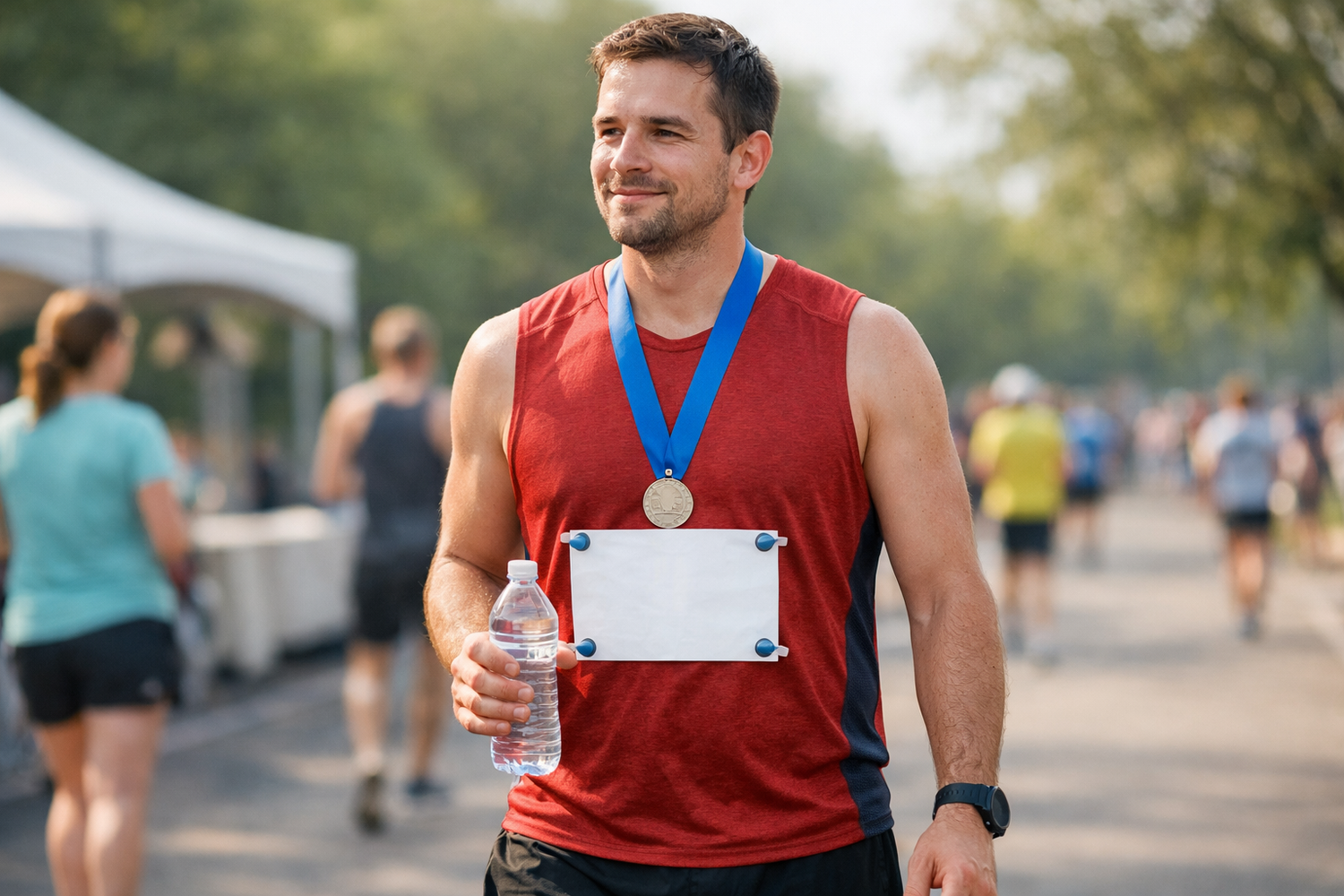
Crossing the finish line brings a rush that’s hard to describe. Relief, pride, exhaustion, joy, sometimes all at once. Whether it was your first 5K or your tenth marathon, that moment matters. But what happens after the race is just as important as the training that got you there.
Proper post-race recovery helps reduce soreness, lowers injury risk, and sets you up to feel stronger for whatever comes next. Recovery isn’t about doing nothing. It’s about doing the right things at the right time so your body can repair, adapt, and bounce back.
2. Cool Down and Keep Moving
The instinct after a race is often to stop completely. While rest is important, stopping abruptly can leave muscles stiff and achy.
After you finish, walk for 5 to 15 minutes, stay upright, and let your breathing gradually settle. This gentle movement helps circulate blood, clear metabolic waste from muscles, and reduce next-day soreness.
If space and energy allow, a few minutes of very easy jogging can also help, but walking alone is enough for most runners and is one of the simplest ways to start recovery well.
3. Refuel and Rehydrate
Your body has burned through stored energy during the race, even in shorter distances. Refueling soon after finishing helps jump-start recovery.
Within 30 to 60 minutes after the race, aim for carbohydrates to replace glycogen, protein to support muscle repair, and fluids to replace sweat loss. You don’t need anything fancy. Simple options work well, such as a banana with a protein shake, chocolate milk, yogurt with fruit, or a sandwich with lean protein.
Continue sipping water or an electrolyte drink over the next few hours, especially if conditions were warm or humid. A steady approach to hydration beats chugging large amounts all at once.
4. Stretch and Release Tight Muscles
Stretching after a race should feel gentle and controlled, not forced. Focus on the muscles that worked hardest, including calves, hamstrings, quads, hips, and lower back.
Hold each stretch lightly and breathe. Foam rolling or massage balls can help release tension, but pressure should stay moderate. Discomfort is normal, sharp pain is not.
Later in the day or the following day, light mobility work can help restore range of motion. Let your body guide how much is enough.
5. Care for Your Gear (and Your Body)
Once you’ve cooled down and refueled, change out of sweaty clothes as soon as possible. Dry clothing helps regulate body temperature and reduces the risk of skin irritation.
Wash race apparel promptly to keep fabrics fresh and long-lasting. Shoes should air dry naturally rather than going into a dryer.
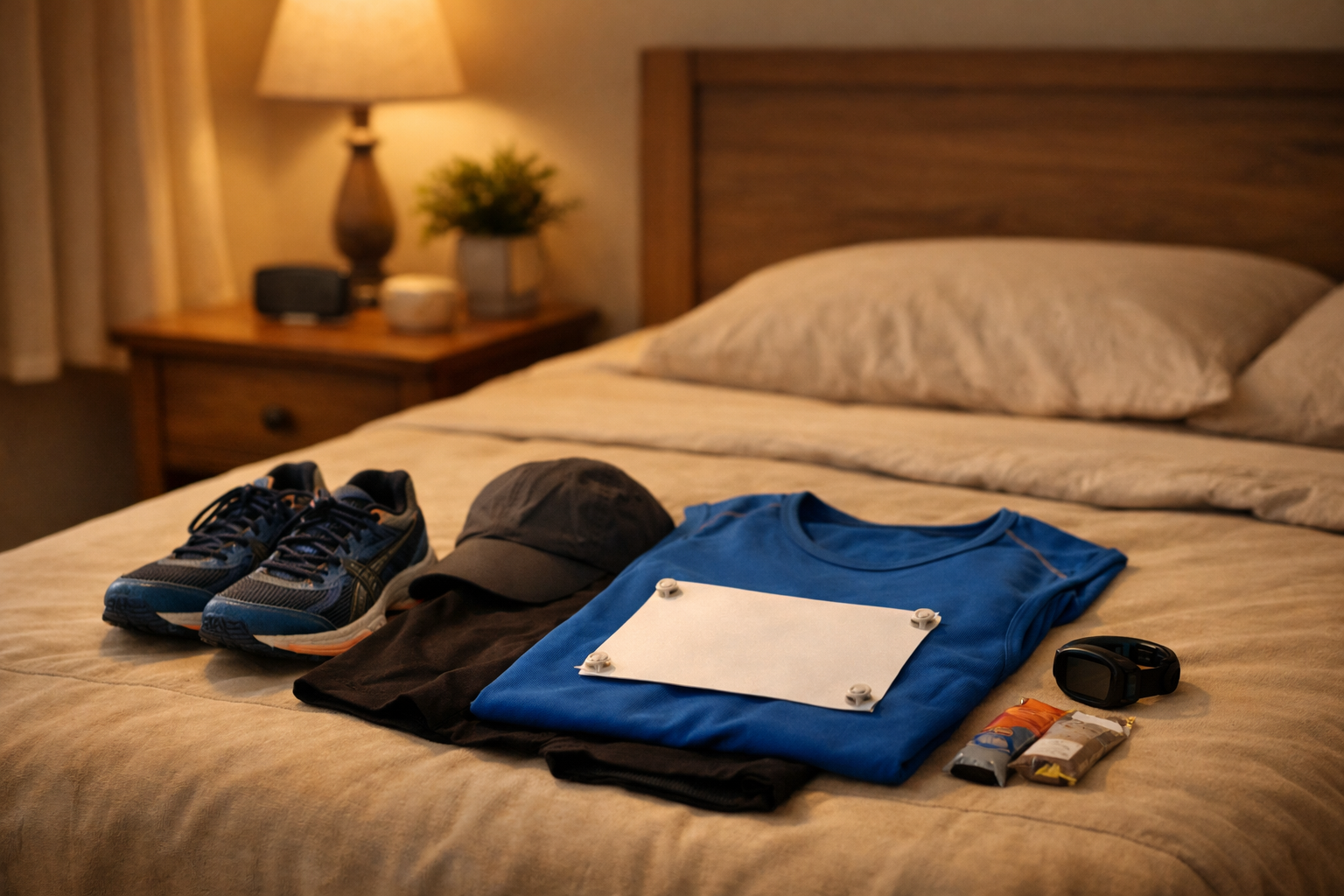
After the race, removing your bib is quick and clean with bibSNAPS — no torn shirts, no sharp pins, and they’re ready to be reused for your next event. Learn more at https://bibboards.com.
Caring for your gear is part of caring for yourself. Small habits like these make recovery smoother and future race days easier.
6. Rest, Sleep, and Active Recovery
Sleep is one of the most powerful recovery tools available. After a race, your body does much of its repair work while you rest.
In the days following a race, prioritize quality sleep, stay hydrated, and eat balanced meals. Avoid jumping straight back into hard workouts. Light activity such as walking, easy cycling, or gentle swimming can promote blood flow without adding stress. This approach, often called active recovery, helps many runners feel better than complete inactivity.
General recovery timelines can help set expectations. A 5K may take one to three days, a 10K three to five days, a half marathon about one to two weeks, and a marathon two to four weeks. These are guidelines, not rules. Your effort level, experience, and overall health all matter.
7. Quick Takeaway Box
Post-Race Recovery Essentials
Keep moving lightly after finishing to reduce stiffness
Refuel with carbohydrates, protein, and fluids within an hour
Rest with intention and return to training gradually
8. Conclusion
Finishing a race is an accomplishment worth celebrating. Recovery isn’t a sign of weakness or lost motivation. It’s a sign of respect for the work your body just completed.
By cooling down, refueling well, caring for your gear, and giving yourself time to rest, you allow the race to become a positive stepping stone rather than a setback. Recover with intention, feel proud of the finish, and look ahead with confidence to the next starting line.

Leave a comment
This site is protected by hCaptcha and the hCaptcha Privacy Policy and Terms of Service apply.