

Finishing your first race is a big deal. Whether it was a 5K or 10K, you trained, showed up, and crossed a finish line you may have once thought felt far away. Then, a funny thing often happens. The race is over, the adrenaline fades, and a quiet question creeps in. Now what?
This post-race lull is incredibly common for first-time racers. The structure that carried you to race day disappears overnight. Without a clear next step, motivation can wobble. The good news is that the period right after your first race is one of the most powerful opportunities you have as a runner. How you handle it can turn a one-time race into a lasting habit.
2. Take a Short Mental Reset
Before jumping back into training, give yourself permission to pause briefly. This does not mean stopping altogether. It means acknowledging what you just accomplished.
Celebrate your finish in whatever way feels right. Tell someone. Save your bib. Take a day or two where running is optional. Let your body and mind come down from the build-up to race day.
Reflection can be simple:
-
What surprised you about race day?
-
What felt better than expected?
-
What would you like to improve next time?
Keep this light. The goal is awareness, not critique. A short mental reset helps prevent burnout and keeps running tied to positive feelings rather than pressure.
3. Ease Back Into Running
The first week back after your race should feel relaxed and forgiving. You are not starting over, and you are not ramping up yet either.
A helpful approach for week one:
-
Run 2 to 3 times
-
Keep runs shorter than pre-race distances
-
Stay at an easy, conversational pace
If you feel tired, take an extra rest day. If you feel good, resist the urge to push harder. Enjoy the feeling of running without a looming race goal. This period helps your body absorb the work you already did and sets the tone for sustainable training.
4. Set a New, Low-Pressure Goal
Momentum grows when there is something ahead, but your next goal does not need to be intense or time-focused.
Options for a low-pressure next goal:
-
Sign up for another 5K or 10K a few months out
-
Aim to run consistently for four weeks
-
Increase total weekly running time slightly
-
Run a route you could not finish before
The key is choosing something that feels motivating, not intimidating. Time goals can come later. Right now, consistency and confidence matter more than speed.
5. Build a Simple, Sustainable Routine
After your first race, it is tempting to do more because you feel like a “real runner” now. This is where many beginners accidentally burn out.
Instead, focus on routines that fit your real life. Two or three runs per week is enough to keep improving. Add a fourth day only if it feels manageable, not mandatory.
Helpful routine tips:
-
Schedule runs like appointments
-
Keep most runs easy
-
Allow flexibility when life gets busy
Consistency beats intensity every time. A routine you can repeat month after month builds more progress than short bursts of aggressive training.
6. Prepare for the Next Race with Confidence
Confidence grows when small details feel under control. Keeping your gear organized and maintaining simple habits reduces friction and stress.
Wash and store race clothes soon after your event. Air out shoes. Keep accessories together so you are not scrambling later. These habits quietly reinforce the idea that running is part of your life now.
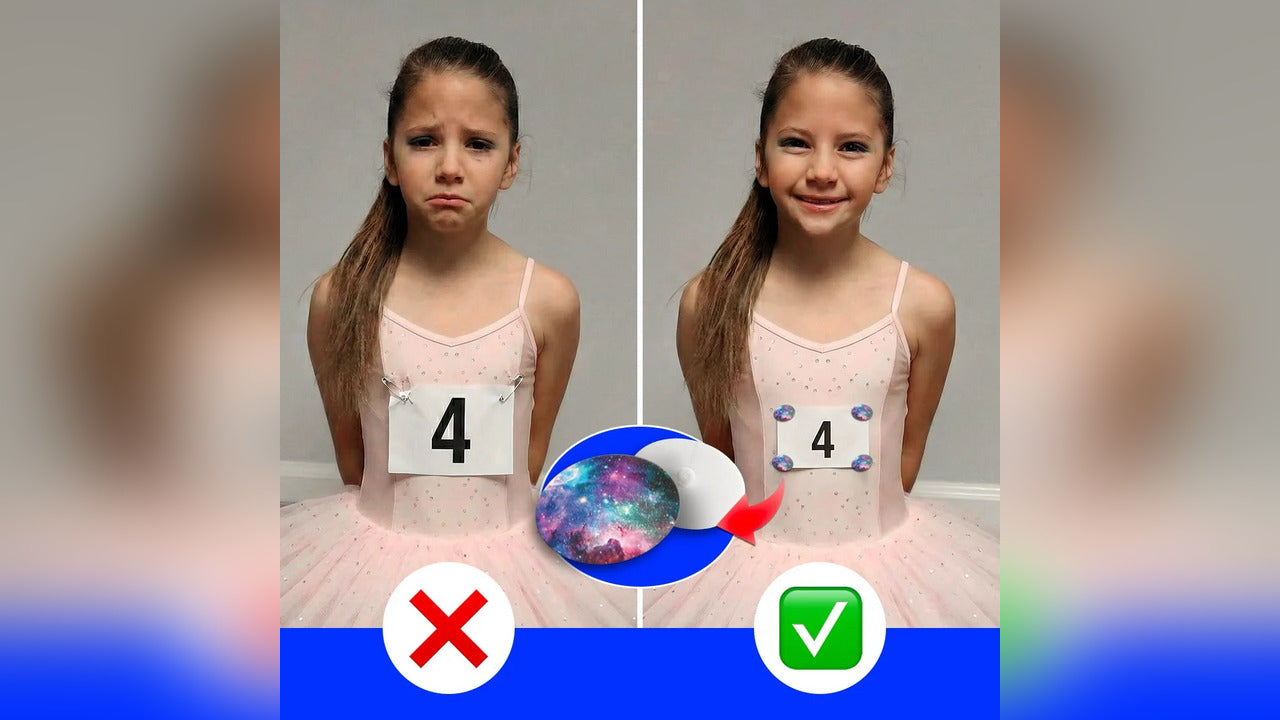
Small preparation habits carry forward. Keeping your race gear organized and using bibSNAPS makes future race mornings smoother and less stressful.
When race-day logistics feel calm, your energy stays focused on running rather than distractions. You can learn more about bibSNAPS and race-day preparation tools at https://bibboards.com.
7. Quick Takeaway Box
Post-First-Race Reminders
-
A short reset helps you stay motivated long term
-
Easy running builds momentum without burnout
-
Consistency matters more than speed right now
8. Conclusion
Finishing your first race changes something important. It proves you can set a goal, train for it, and follow through. That means you are officially a runner, not because of a time or distance, but because you showed up.
What comes next does not need to be dramatic. Keep running. Keep it simple. Let confidence grow naturally through repetition and enjoyment. One race was the beginning, not the peak.
Stay curious, stay patient, and keep moving forward. The journey continues, one comfortable step at a time.


Leave a comment
This site is protected by hCaptcha and the hCaptcha Privacy Policy and Terms of Service apply.