
You’ve decided to run a race. That’s the exciting part. Then you open a registration page and suddenly there are choices: 5K, 10K, 15K, half marathon, marathon, ultra. What started as a simple decision now feels like a test you didn’t study for.
Here’s what you need to know: there is no universally right answer, but there is a right answer for you, right now. Choosing your first race distance is less about ambition and more about where you honestly are as a runner today. The goal is to show up on race day feeling prepared, not panicked.
This guide will help you match your current fitness, available training time, and goals to the distance that sets you up to actually enjoy the experience.
Start With Where You Are, Not Where You Want to Be
The most common mistake new runners make is choosing a distance based on what sounds impressive rather than what fits their current fitness. Signing up for a half marathon when you’ve been running for six weeks isn’t bold. It’s a setup for injury, burnout, or a race experience you won’t want to repeat.
A better approach: think about how far you can comfortably run right now, at an easy pace where you can hold a conversation. That number is your honest starting point.
A simple rule of thumb is that your first race should be a distance you can realistically train up to within 8 to 16 weeks, starting from your current base. You want to arrive at the start line feeling ready, not just hoping for the best.
What Each Distance Actually Feels Like
5K (3.1 miles)
The 5K is the most beginner-friendly race distance out there, and it deserves more credit. It’s not a consolation prize. Even experienced runners race 5Ks regularly. For a first-timer, it’s achievable in 8 to 10 weeks starting from almost zero running background. The race is short enough that you can push hard, recover quickly, and still feel good the next day. If you’ve never toed a start line before, a 5K lets you soak in the full race experience: the crowd, the adrenaline, the finish line, without the physical toll of something longer.
10K (6.2 miles)
The 10K is a meaningful step up in endurance but still very manageable for someone with a few months of consistent running. It’s long enough to feel like a real accomplishment and short enough to train for without demanding massive weekly mileage. If you’re already running 3 to 4 miles comfortably and have 10 to 12 weeks to train, a 10K is a strong first race choice.
Half Marathon (13.1 miles)
The half marathon is one of the most popular race distances for a reason. It rewards genuine training and delivers a deep sense of accomplishment at the finish line. But it requires a real base to train from. Most half marathon plans assume you can already run 4 to 5 miles without stopping. If that describes you and you have 12 to 16 weeks available, a half marathon is doable. If you’re earlier in your running journey, treat it as a goal for your second race.
Marathon (26.2 miles)
Save it for later. A marathon is an incredible goal, and it will absolutely be there when you’re ready. Most coaches recommend at least a year of consistent running and a few shorter races before taking on 26.2. Jumping straight to a marathon as your first race significantly raises your injury risk and tends to make the experience harder to enjoy.
Three Questions to Help You Decide
How far can I run right now without stopping?
Under 2 miles: start with a 5K. Around 3 to 4 miles: a 10K is within reach. Already running 5 or more miles: a half marathon is a real option with enough training time.
How much time do I have to train?
Be honest here. A 5K needs 8 to 10 weeks. A 10K needs 10 to 12 weeks. A half marathon needs at least 12 to 16 weeks. If your race is 8 weeks away and you’re not running yet, the 5K is your distance.
What do I actually want from this experience?
If you want to try racing and see if it’s for you, start small and build from there. If you have a specific race in mind, like a local half marathon your friends are all doing, work backward from that date and see if the training timeline is realistic for where you are right now.
Quick Takeaway
- If you’re new to running, start with a 5K. It’s a real race with real energy, and it sets you up to want more.
- Match your distance to your current fitness, not your wishful thinking. You can always level up for your next race.
- Give yourself enough training time to arrive feeling prepared. Confidence on race morning makes everything better.
Set Yourself Up to Enjoy It
Whichever distance you choose, race day will be memorable. The energy at the start line, the support from the crowd, the feeling of crossing the finish, none of that is reserved for marathon runners. A 5K finish feels every bit as real.
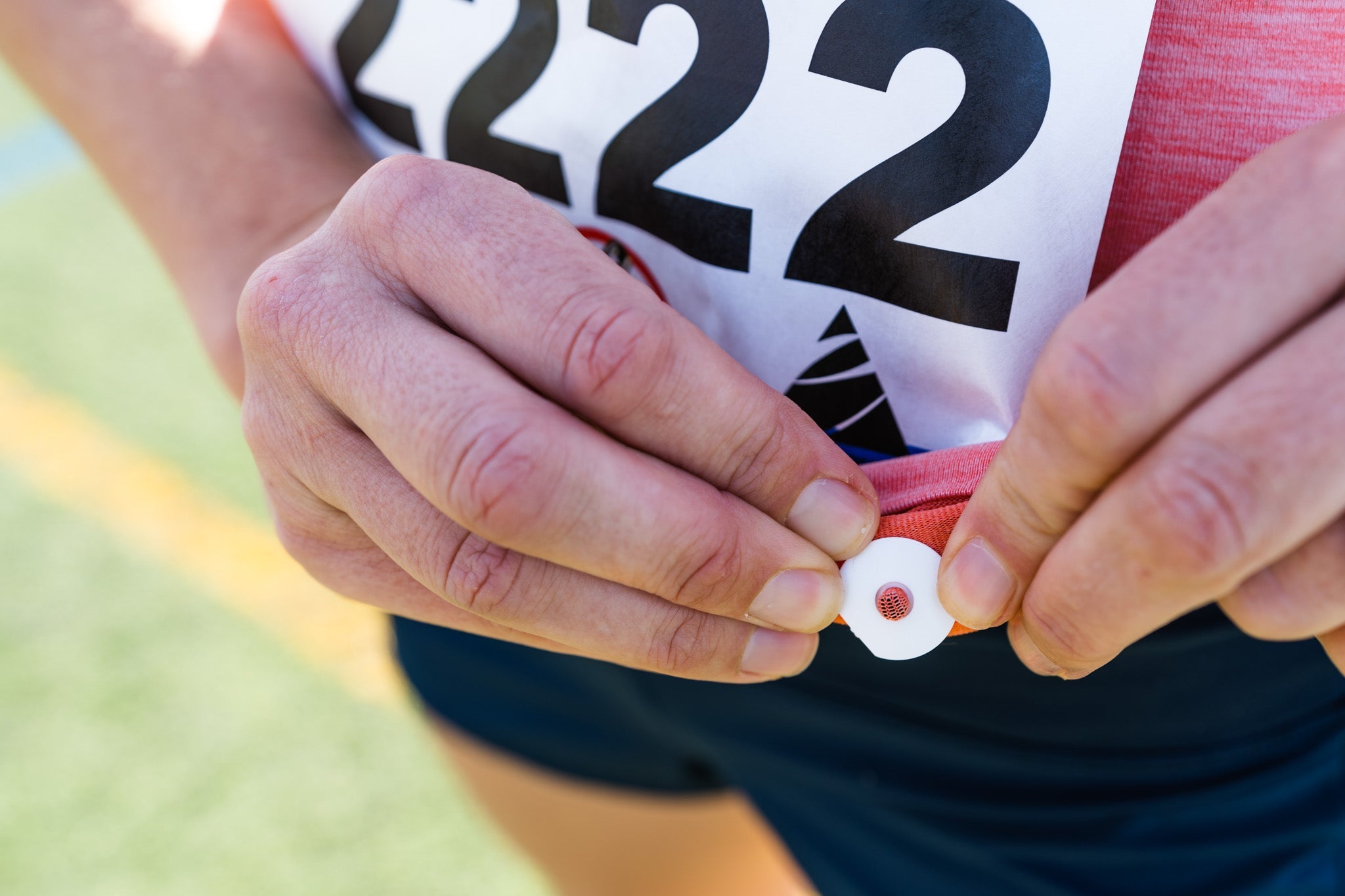
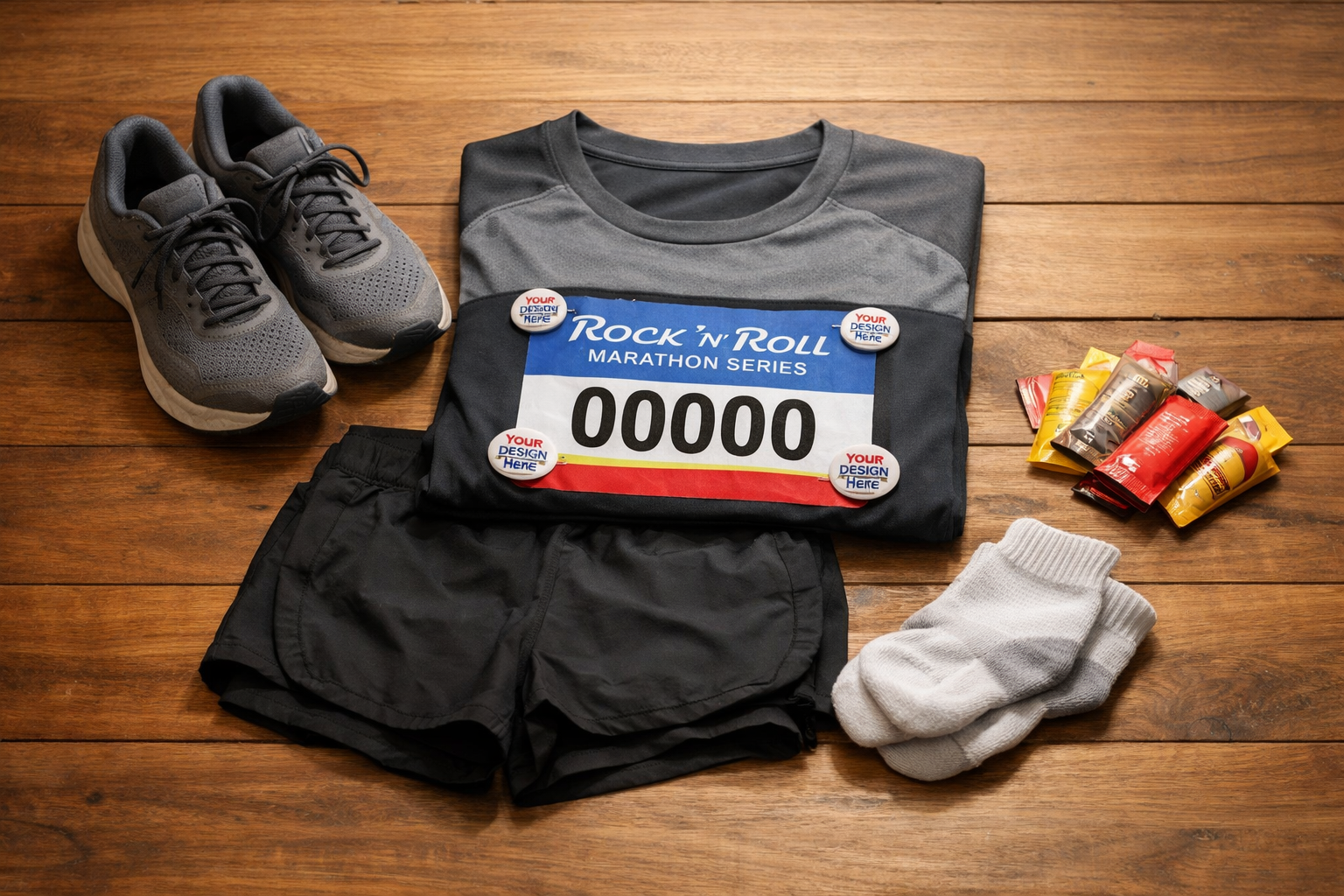
What makes race day enjoyable is showing up prepared. That means consistent training, good sleep the week before, and handling the small logistics so race morning runs smoothly. Lay out your gear the night before. Use bibSNAPS to attach your bib the night before a race. They snap onto your shirt cleanly, hold all day, and leave no holes in your favorite running top. One less thing to stress about at 6 a.m. Learn more at bibboards.com.
Pick the distance that gives you the best chance to enjoy every mile. Then sign up, show up, and run.

Leave a comment
This site is protected by hCaptcha and the hCaptcha Privacy Policy and Terms of Service apply.